Inaugural Home Improvement Mistakes First-Time Owners Should Avoid sets the stage for this enlightening discussion, shedding light on the pitfalls that new homeowners often encounter when embarking on renovation projects. By delving into common errors and offering practical advice, this topic aims to guide individuals towards successful home improvement endeavors.
The subsequent paragraphs will delve deeper into the key mistakes to avoid, the importance of planning and budgeting, the debate between DIY and hiring professionals, and the significance of selecting the right materials and tools for the job.
Common Mistakes in Inaugural Home Improvement Projects
![[Infographic] 3 Home Renovation Mistakes To Avoid](https://gb.radarbanten.co.id/wp-content/uploads/2025/11/Home-Renovation-Mistakes-Every-New-Owner-Should-Avoid-3.jpg "[Infographic] 3 Home Renovation Mistakes To Avoid")
When embarking on their first home improvement project, first-time homeowners often make common mistakes that can impact the outcome of the project. These errors can range from overlooking important details to underestimating the scope of work required. Avoiding these mistakes is crucial for a successful home improvement project that meets your expectations and adds value to your property.
Ignoring Proper Planning
Proper planning is essential for the success of any home improvement project. Without a clear plan in place, homeowners may end up making impulsive decisions or overlooking important details. This can lead to delays, budget overruns, and unsatisfactory results. It is important to take the time to plan out the project thoroughly, including setting a budget, creating a timeline, and researching materials and contractors.
Choosing the Wrong Materials
Selecting the wrong materials for a home improvement project can have a significant impact on the final outcome. Whether it's choosing low-quality materials to save money or selecting materials that are not suitable for the intended use, the wrong choice can result in a subpar finish and the need for costly repairs down the line.
It is important to research and invest in high-quality materials that are durable and appropriate for the project.
Underestimating Costs
One common mistake that first-time homeowners make is underestimating the costs associated with a home improvement project. From materials and labor to unexpected expenses that may arise during the project, it is essential to budget realistically to avoid running out of funds midway through the project.
Obtaining multiple quotes and factoring in a contingency fund can help ensure that you are financially prepared for the project.
DIY Beyond Skill Level
While taking on a do-it-yourself (DIY) approach to home improvement projects can be rewarding, it is important to know your skill level and limitations. Attempting complex projects beyond your expertise can result in poor workmanship, safety hazards, and the need to hire professionals to correct mistakes.
It is important to be realistic about your abilities and seek professional help when needed to ensure the project is completed correctly.
Not Obtaining Permits
Many first-time homeowners overlook the importance of obtaining the necessary permits for their home improvement projects. Failing to acquire permits can result in fines, delays, and even legal issues down the line. It is essential to check with your local building department to determine which permits are required for your project and to ensure that the work is done in compliance with building codes and regulations.
Planning and Budgeting for Home Improvement
Thorough planning and budgeting are essential aspects of any successful home improvement project. By taking the time to plan and set a realistic budget, homeowners can avoid costly mistakes and ensure that their projects are completed efficiently.
Importance of Thorough Planning
- Artikel the scope of the project, including specific goals and objectives.
- Consider any potential challenges or obstacles that may arise during the project.
- Create a detailed timeline for each phase of the project to stay on track.
- Consult with professionals or experts to get advice on the best approach for your specific project.
Creating a Realistic Budget
- Research the costs of materials, labor, and any additional expenses before setting a budget.
- Include a contingency fund for unexpected costs that may arise during the project.
- Compare quotes from multiple contractors or suppliers to ensure you are getting the best value for your money.
- Track expenses throughout the project to avoid overspending and make adjustments as needed.
Setting Achievable Goals and Timelines
- Break down the project into smaller tasks to make it more manageable.
- Set realistic deadlines for each phase of the project to keep yourself accountable.
- Prioritize tasks based on importance and urgency to stay focused on the end goal.
- Be flexible and willing to adjust your timeline if unexpected delays occur.
DIY vs. Hiring Professionals
When it comes to home improvement projects, the decision between tackling the task yourself or hiring a professional can be a pivotal one. Let's explore the benefits and drawbacks of each option to help you make an informed choice.
DIY Projects
- Cost-effective: DIY projects can save you money on labor costs.
- Sense of accomplishment: Completing a project on your own can be incredibly rewarding.
- Flexibility: You can work on your own schedule and pace.
Professional Help
- Expertise: Professionals have the knowledge and experience to handle complex projects.
- Time-saving: Hiring professionals can ensure a quicker completion of the project.
- Quality results: Professionals can deliver high-quality work that meets industry standards.
Knowing Your Limits
It's essential to recognize your own limitations when it comes to DIY projects. While simple tasks like painting or minor repairs can be handled independently, more complicated projects such as electrical work or structural changes should be left to the experts.
Knowing when to call in professional help can prevent costly mistakes and ensure the safety and integrity of your home.
Choosing the Right Materials and Tools
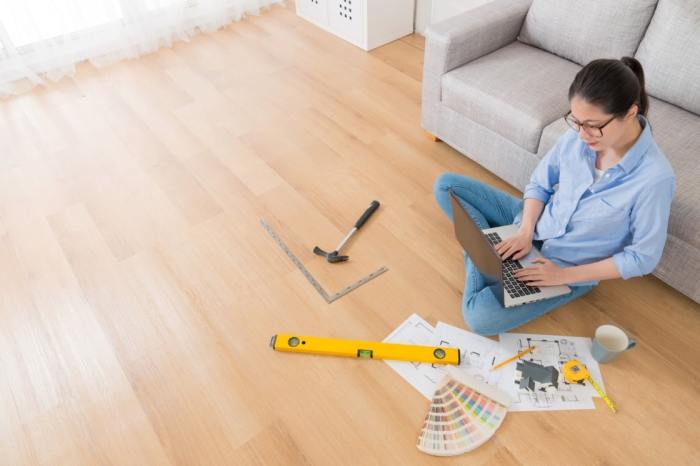
When embarking on a home improvement project, one of the key factors that can make or break the outcome is the choice of materials and tools. Selecting high-quality materials and using the right tools for the job are crucial steps towards a successful renovation.
Considerations for Selecting High-Quality Materials
Using high-quality materials can ensure the longevity and durability of your home improvement projects. Here are some considerations to keep in mind when choosing materials:
- Research the best materials for the specific project you are undertaking.
- Consider factors such as durability, maintenance requirements, and cost-effectiveness.
- Check for certifications or quality standards to guarantee the authenticity of the materials.
- Consult with experts or professionals for recommendations on the best materials for your project.
Significance of Using the Right Tools
The use of appropriate tools is equally important as choosing the right materials. Here's why using the right tools matters:
- Using the correct tools can enhance precision and efficiency in your work, leading to better results.
- Improper tools can damage materials and compromise the quality of the project.
- Investing in quality tools can save you time and effort in the long run.
- Always follow safety guidelines when using tools to prevent accidents or injuries.
Recommendations for Sourcing Materials and Tools
To ensure the success of your renovation project, it's essential to choose reliable sources for materials and tools. Here are some recommendations:
- Visit reputable home improvement stores or suppliers known for their quality products.
- Consider online retailers that offer a wide range of materials and tools at competitive prices.
- Read reviews and testimonials from other customers to gauge the quality of the products before making a purchase.
- Consult with professionals or experienced DIYers for recommendations on the best places to source materials and tools.
Final Thoughts
In conclusion, navigating through the realm of home improvement as a first-time owner can be daunting, but armed with knowledge and foresight, one can steer clear of potential pitfalls. By heeding the advice shared in this discussion, individuals can embark on their renovation journeys with confidence, knowing they have the tools to succeed.
FAQ Insights
What are some common mistakes first-time homeowners make in inaugural home improvement projects?
Some common mistakes include underestimating the budget, not planning thoroughly, and using poor quality materials.
Why is it important to set achievable goals and timelines for home improvement projects?
Setting realistic goals and timelines helps to keep the project on track and ensures that progress is made in a timely manner.
What are the benefits of hiring professionals for home improvement projects?
Professionals bring expertise and efficiency to the project, ensuring a high-quality outcome and potentially saving time and money in the long run.